
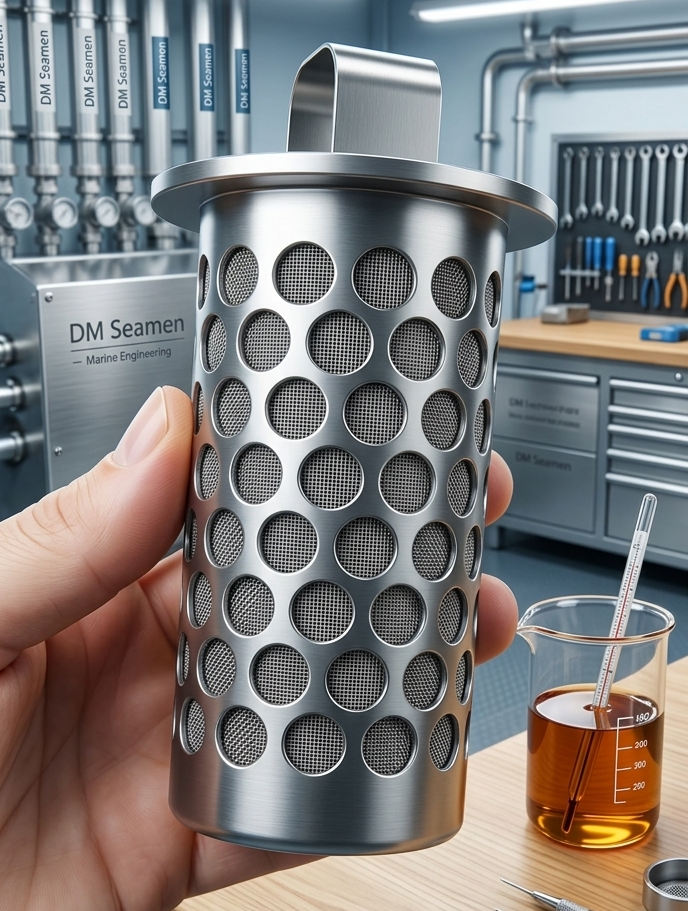
A real-world Chief Engineer case study on fuel filter clogging, blackout risks during a storm, and costly off-hire due to uncleaned DO tanks. Read more on dm.seamen.es.
Keywords: marine fuel tank cleaning, vessel planned maintenance, marine diesel oil (MDO), fuel filter clogging, ship blackout, dry dock operations, chief engineer duties, main engine reliability, ECA area, DM Cheng Assis.
In the maritime industry, neglecting the routine maintenance of a vessel’s fuel system is a ticking time bomb. Transitioning into Emission Control Areas (ECA), navigating rough weather, and dealing with years of accumulated sludge at the bottom of fuel tanks can instantly paralyze even the most reliable vessel.
This article examines a real-world case study from marine engineering practice where fuel tanks left uncleaned during a dry dock led to a critical situation in the English Channel. It highlights why a bureaucratic, paperwork-only approach to Planned Maintenance Systems (PMS) can cost shipowners hundreds of thousands of euros.
Case Study: Heavy Weather, The English Channel, and Non-Stop Filter Clogging
Entering the ECA Area and the First Alarms
The vessel was en route from Germany to Tarragona, Spain. Upon entering the English Channel—a strict Emission Control Area (ECA)—the engine room team prepared the propulsion plant to switch over to low-sulfur marine diesel oil (MGO/DO).
During the night watch, the Second Engineer acknowledged a critical alarm: low fuel oil inlet pressure to the main engine. Following standard operating procedures, the watch officer immediately switched over to the standby fuel pump and cleaned the duplex fuel filter. However, within minutes, the pressure dropped again. The filter elements were clogging at an alarming rate.
How Rough Seas Trigger Fuel System Failure
The situation quickly escalated due to deteriorating weather conditions. Heavy rolling and pitching caused by the storm violently agitated the fuel remaining in the tanks, stirring up years of asphaltic-resinous sludge and sediment from the bottom of the DO Settling & Service Tanks.
[ Fuel Storage Tank ] ➔ [ DO Settling Tank (Sludge Settlement) ] ➔ [ Purifier ] ➔ [ DO Service Tank ] ➔ [ Duplex Filters ] ➔ [ Main Engine ]
To prevent a complete automated shutdown of the main engine, the Chief Engineer mobilized the entire engine room crew into a continuous, cyclic rotation of cleaning the duplex fuel filters. Due to the dangerously low fuel pressure, the vessel was forced to reduce speed to “Dead Slow Ahead.”
The Risk of a Total Blackout and Emergency Anchorage
Because the fuel system for the main engine (ME) and the auxiliary diesel generators (DG) shared a common supply layout on this vessel class, the catastrophic drop in fuel pressure posed a direct threat of a vessel blackout—a complete loss of electrical power. Losing propulsion and steering control during a heavy storm in a congested shipping lane like the English Channel is a worst-case scenario for vessel survivability.
The Chief Engineer made an executive decision: deviate from the traffic separation scheme, find a safe zone, and drop anchor to conduct emergency technical interventions.
The Root Cause: What Venturing Inside the Tanks Revealed
Once the vessel was safely anchored and the manhole covers of the DO Settling Tank and DO Service Tank were opened, the engineering crew discovered:
- A massive accumulation of heavy, sticky sludge caused by the incompatibility of various diesel fuel batches bunkered over time.
- Zero signs of physical tank cleaning or scale removal over an extended period.
A deep dive into the Planned Maintenance System (PMS) logs and dry dock records revealed a shocking truth: these specific fuel tanks were completely bypassed during the vessel’s last scheduled dry dock.
Crucial Rule for Ship Crews: On vessels under tight commercial schedules, a dry dock is the only realistic window where tech teams can completely drain, ventilate, desludge, and degas fuel tanks. Executing a comprehensive tank cleaning operation while underway or during short port stays is physically impossible.
The Financial Impact of Commercial Downtime
Accepting a “paperwork-only” tank cleaning report during the dry dock directly resulted in heavy financial losses for both the shipowner and the charterer:
- Off-Hire Losses: The vessel lost nearly 24 hours of commercial time due to the forced anchorage, manual tank desludging by the crew, and subsequent sludge disposal logistics.
- Emergency Port/Anchorage Dues: Unplanned expenses incurred for anchoring in the high-tariff English Channel sector.
- Reputational Damage: Delayed Cargo Delivery (ETA breaches) affecting charterer trust.
Marine Engineer’s Checklist: Preventing Fuel System Crises
To guarantee uninterrupted main engine performance and eliminate unexpected filter clogging, the technical department and shipboard management must strictly implement these protocols:
- Physical Inspection in Dry Dock: Never sign off on Dry Dock Reports without a personal, visual inspection of the internal bulkheads and bottoms of HFO/DO tanks by the Chief Engineer or a technical superintendent.
- Fuel Compatibility Testing: When changing fuel grades or bunkering from different suppliers—especially when preparing for low-sulfur ECA zones—always perform a compatibility and stability test to prevent asphaltene precipitation.
- Daily Draining Protocols: Drain water and settled sludge from the Settling and Service tanks during every single watch.
- Leverage Dedicated Maritime Software: To track running hours, purifier efficiency, and schedule tank maintenance precisely, utilize specialized engineering databases and digital assistants (such as the DM Cheng Assis suite) to automate PMS workflows.
Conclusion
Routine cleaning of marine heavy fuel and diesel tanks is a fundamental investment in vessel safety. Trying to save time or money during a dry dock invariably leads to emergency shutdowns, blackout risks, and massive commercial off-hire penalties. Keep your tanks clean, rely on physical inspection rather than paperwork, and ensure your fuel delivery lines remain pristine.
Brought to you by the Technical Marine Engineering Blog at dm.seamen.es.